
September 16, 2026
Your go-to briefing on farming, food innovation, and agri-tech
Dear {$$!!ReceiverUserName!!$$},
Here’s the latest from India’s agriculture sector—from mounting crop pressures and record sugar allocations ahead of Dussehra to rising challenges for rice exports amid disruptions in West Asia. We also track food inflation at 5.95 per cent and softer monsoon-driven demand. Read on for the key market, trade, and policy developments shaping the sector.
🌾 El Niño drought strains India’s crops and winter sowing plans
🍬 Record sugar quota aims to steady prices before Dussehra
🚢 West Asia conflict slows India’s rice export growth
📈 Food inflation rises to 5.95 per cent amid monsoon worries
🌍 US questions India’s rice-to-ethanol policy at WTO
🌧️ Weak monsoon rains cut India’s fertiliser sales in August
🛢️ India’s edible oil imports climb on stronger palm and soybean buying
|
|
||||
|
|
||||
|
|
||||
|
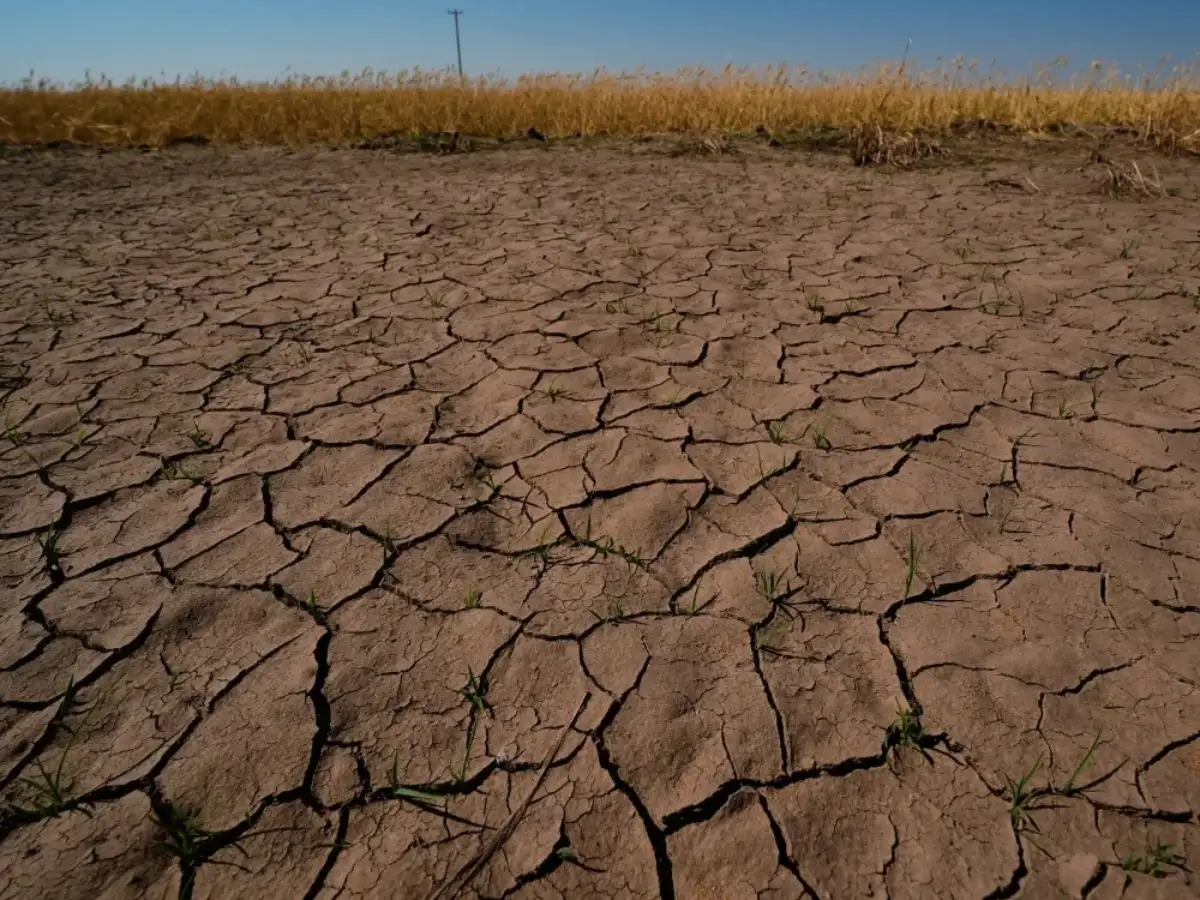
El Niño is squeezing India’s farms just as the monsoon winds down. More than half the country is in drought, and that is already putting kharif crops, soil moisture and the next sowing season under real pressure.
Why this matters: The India Drought Monitor says 53.2 per cent of land is affected, up sharply from a week ago. Maharashtra is the biggest worry, while tur, urad and soybean crops could take a hit if dry weather sticks around.
What’s ahead: With rainfall still below normal, you may see more stress in rain-fed regions before winter sowing begins.
Read more on The Economic Times →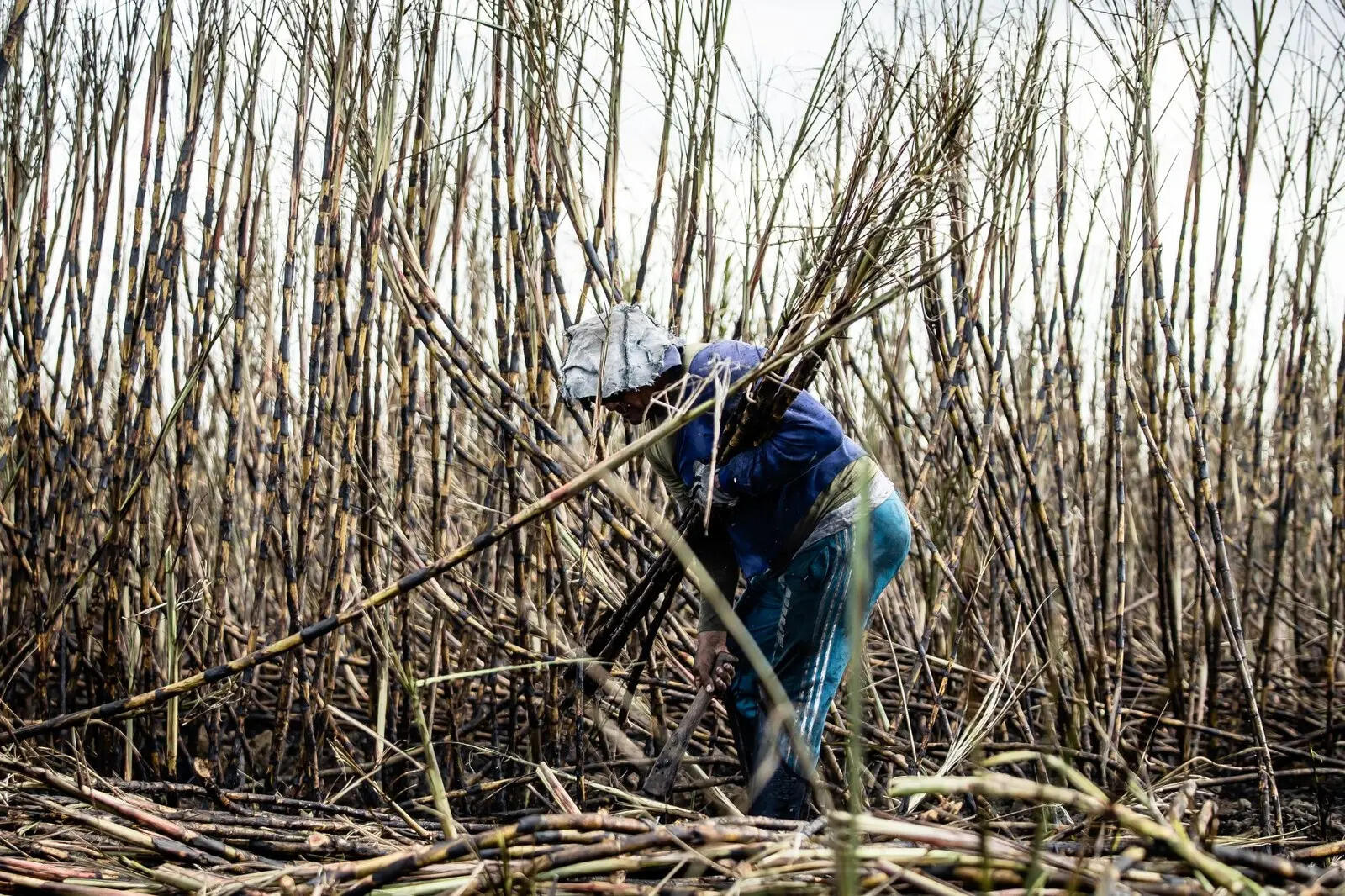
The government has set a record sugar sales quota for September, allowing 13.5 lakh tonnes in the second half of the month and 26.5 lakh tonnes overall. It wants retail prices to stay calm before Dussehra.
Why this matters: Mills must sell 40 per cent of their quota in the first week and the rest in the second, with no extension for lapsed stock. Retail sugar has already slipped below ₹60 a kg, so you may feel the pressure easing at the shop.
The bottom line: Unsold mills now have two days to explain themselves, and those who oversold may lose October releases. India’s annual sugar demand is still above current allocations.
Read more on The Hindu BusinessLine →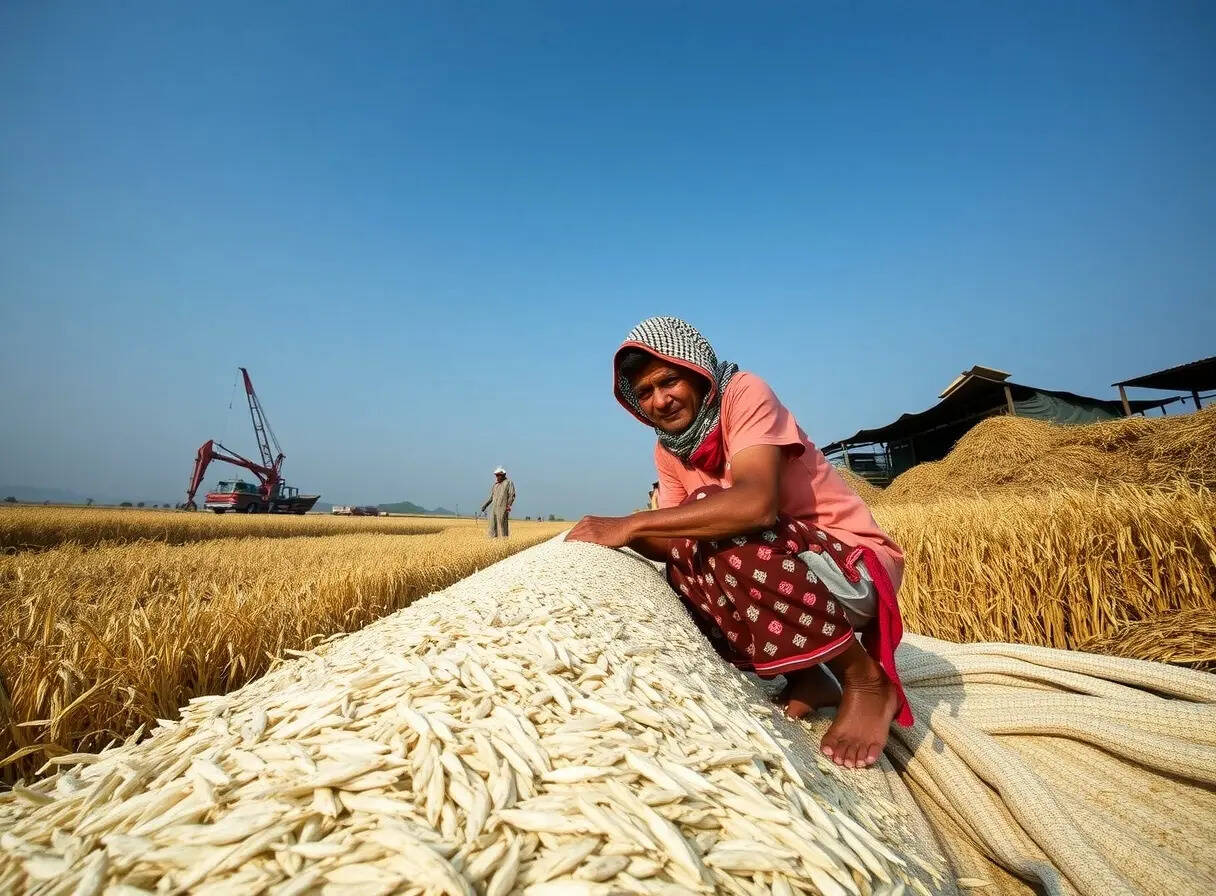
India’s rice exports are still growing, but barely. Between April and August, shipments rose 2.17 per cent to $4.81 billion, even as West Asia conflict disrupted ports, pushed up freight, and forced exporters onto longer routes.
Why this matters: If you trade or track agri exports, this is a warning sign. Middle East buyers are stocking up cautiously, while shipping through Oman and the UAE is becoming the safer bet. Costs for freight and marine insurance have jumped sharply.
The bottom line: India remains the world’s biggest rice exporter, but the pressure is real. If the conflict drags on, the pain could spread beyond West Asia and hit Europe too.
Read more on The Financial Express →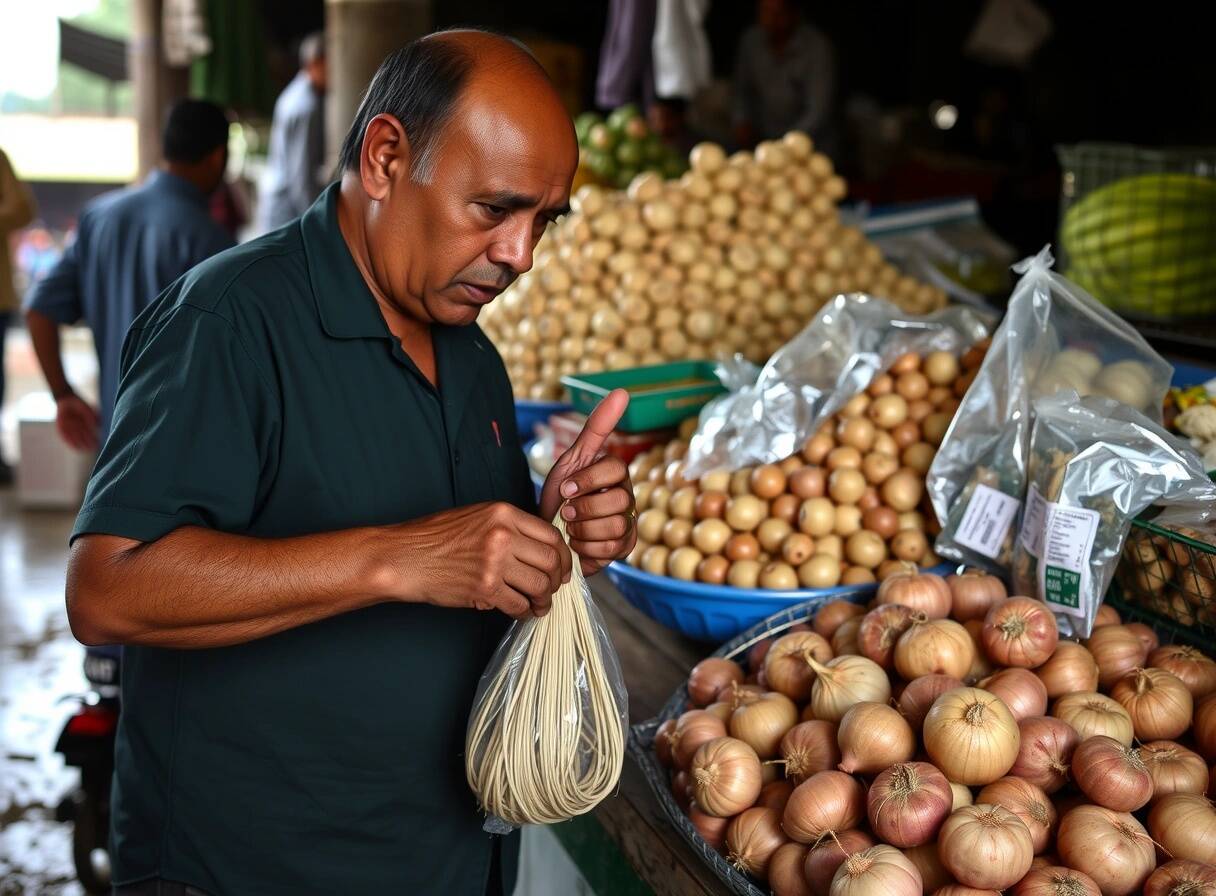
Food inflation climbed to 5.95 per cent in August, pushed up by pricier ginger, garlic, onion, sugar, chicken and edible oils. Even though tomato, potato and lady finger got cheaper, the overall food bill is still heading higher.
Why this matters: If you shop for groceries, you are already feeling the squeeze, and economists think it may not ease soon. With paddy sowing lagging and rainfall running short, food and beverage inflation could cross 7 per cent by October.
What's ahead: That could keep headline inflation under pressure, especially if rice and pulses stay firm and sugar supplies remain tight.
Read more on The Financial Express →
The US has asked India to spell out how much rice from government stocks is going into ethanol, saying the supplies look bigger than food needs. The issue is headed for a WTO agriculture meeting later this month.
Why this matters: If you follow global food politics, this is a tricky one. Washington says India’s support policies have pushed rice supplies higher, while New Delhi has also expanded cheap grain sales and ethanol allocations from FCI stocks.
The Catch: India is being asked to explain how it fits WTO rules while keeping prices high enough to support farmers and still protecting food security at home.
Read more on The Economic Times →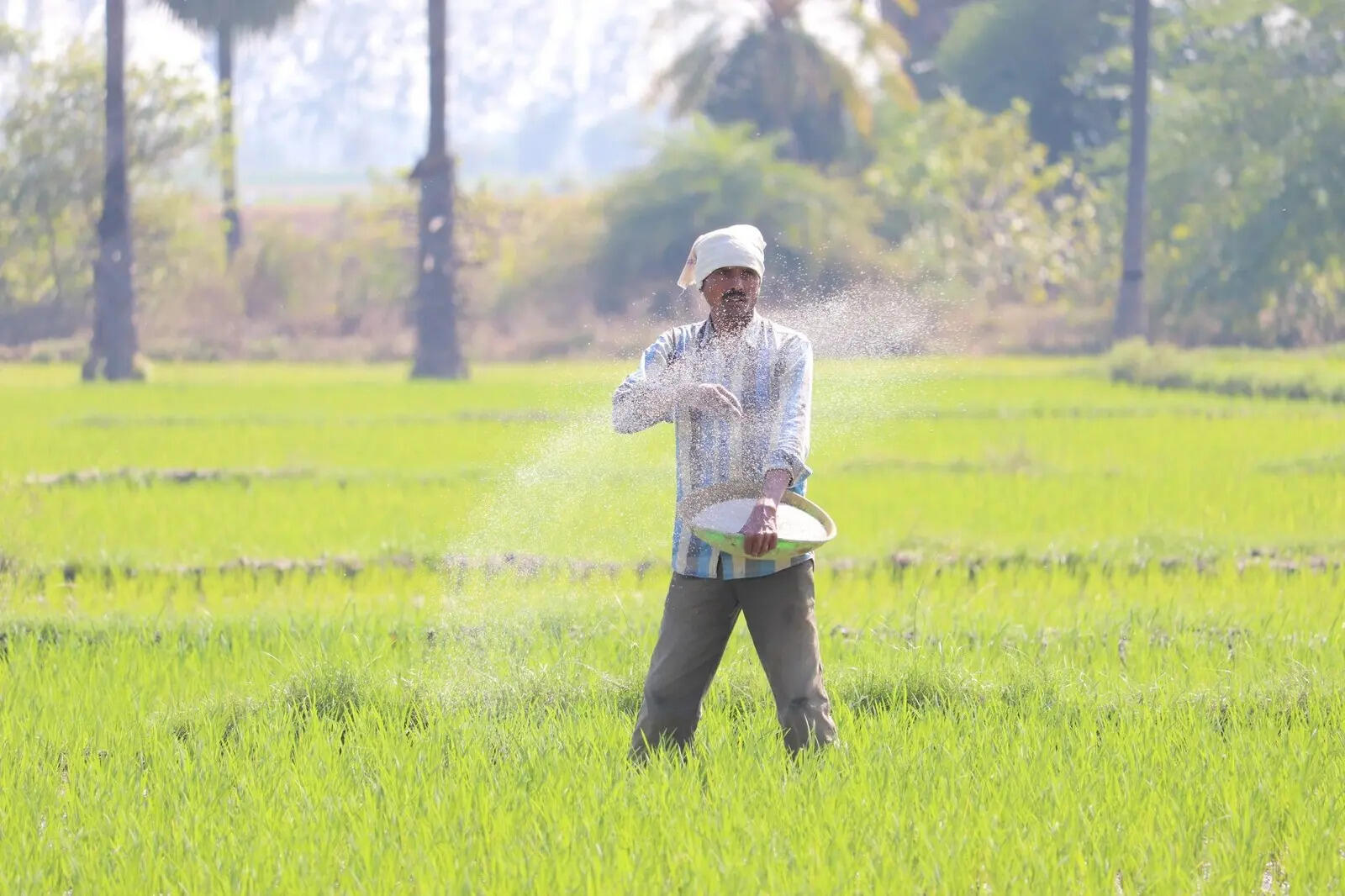
India’s fertiliser sales slipped in August as patchy monsoon rains left farmers buying less. Total sales fell 10.33 per cent year on year to 6.51 million tonnes, while rainfall for the month was 16.3 per cent below normal.
Why this matters: You can already see the pressure building for the kharif crop. Acreage is only slightly lower, but experts say yields per hectare will matter most now, and weaker fertiliser off-take could add to the strain.
The Catch: Urea sales fell 3.66 per cent, MOP and other complexes dropped more sharply, and global sulphur prices jumped 262 per cent, making complex fertiliser production costlier.
Read more on Business Standard →
India’s edible oil imports climbed 4.56 per cent in the first 10 months of 2025-26, helped by stronger palm oil and soybean oil buying. Shipments reached 136.19 lakh tonne, while August alone edged up to 15.72 lakh tonne from 15.49 lakh tonne in July.
Why this matters: If you track food inflation or import bills, this is worth watching. Crude oils now make up 95 per cent of imports, and a weaker rupee is pushing up landed costs for buyers and refiners.
What’s ahead: Nepal’s refined oil shipments stayed high, while Argentina, Russia, Malaysia and Indonesia remained key suppliers.
Read more on The Hindu BusinessLine →© 2025 ETB2B. All rights reserved.
Hit reply for any thoughts, suggestions, and feedback.